
What is Forex Trading?
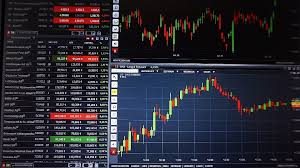
Forex trading, also known as foreign exchange trading or currency trading, involves the buying and selling of currencies in the global financial market. Unlike traditional stock trading, Forex operates 24 hours a day, five days a week, and is completely decentralized. The Forex market is the largest and most liquid financial market in the world, with a daily trading volume exceeding $6 trillion. More information can be found at what is trading forex fx-trading-uz.com.
The Mechanics of Forex Trading
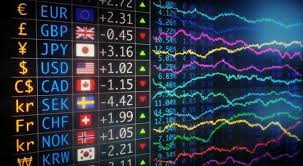
Understanding how Forex trading works is essential for anyone looking to enter this market. The primary currency pairs traded in Forex are categorized as major pairs, minor pairs, and exotic pairs. Major pairs include highly traded currencies like the US Dollar (USD), Euro (EUR), and Japanese Yen (JPY). Minor pairs consist of currencies that are less frequently traded, while exotic pairs involve a major currency against a currency from an emerging market.
Forex trading is conducted over-the-counter (OTC), which means that transactions occur directly between parties rather than on a centralized exchange. This decentralization allows for greater flexibility, as traders can buy and sell currencies at any time of the day. Quotes in Forex trading are represented as currency pairs, such as EUR/USD, where the first currency (EUR) is the base currency, and the second currency (USD) is the quote currency.
How Forex Trading Works
In Forex trading, traders speculate on the price movements of currency pairs. If a trader believes that the base currency will strengthen against the quote currency, they will buy the pair. Conversely, if they believe the base currency will weaken, they will sell the pair. The goal is to buy low and sell high, making a profit from the difference between the buying and selling prices.
Leverage is a significant feature of Forex trading. It allows traders to control larger positions than their actual capital would permit by borrowing funds from their broker. For instance, a leverage ratio of 100:1 means that for every $1 in the trader’s account, they can control $100 in the market. While this amplifies profits, it also increases the potential for losses, making risk management crucial in Forex trading.
Forex Trading Strategies
Successful Forex trading requires a well-structured strategy. There are several popular strategies that traders employ, and each has its own nuances:
1. Scalping
Scalping involves making numerous trades throughout the day to capture small price movements. Traders who use this strategy typically hold positions for a few seconds to a few minutes and aim to make profits from small fluctuations in price.
2. Day Trading
Day traders open and close their positions within the same trading day. They do not hold positions overnight to avoid potential market fluctuations during off-hours. This strategy requires a keen understanding of market trends and real-time analysis.
3. Swing Trading
Swing trading involves holding positions for several days or weeks to capitalize on expected upward or downward market shifts. This strategy is ideal for traders who prefer not to monitor the market continuously.
4. Position Trading
Position trading is a long-term strategy where traders hold onto positions for weeks, months, or even years, based on fundamental analysis. This method requires a deeper understanding of economic indicators and global market trends.
The Risks of Forex Trading
While Forex trading can be profitable, it inherently carries significant risks. Some of the common risks include:
1. Market Risk
Market risk refers to the possibility of losing money due to unfavorable movements in currency prices. The Forex market can be highly volatile, and sudden price swings can lead to substantial losses.
2. Leverage Risk
While leverage can enhance profits, it can also amplify losses beyond an investor’s initial investment. Poorly managed leverage can result in margin calls, where brokers require additional funds in the trader’s account to maintain open positions.
3. Interest Rate Risk
Changes in interest rates can affect currency prices. If a country’s central bank raises interest rates, that currency typically strengthens, while lower interest rates can weaken a currency.
4. Liquidity Risk
Liquidity risk arises when a trader cannot execute a transaction at the desired price due to a lack of market participants. This can lead to slippage, where orders are filled at less favorable prices than expected.
Conclusion
Forex trading offers a unique opportunity for individuals to participate in the global financial market. Understanding the mechanics, strategies, and risks associated with Forex trading is essential for success. By developing a solid trading plan, practicing risk management, and staying informed about market trends, aspiring traders can increase their chances of achieving consistent profits in this dynamic environment.